New Urbanism's grand don, Andrés Duany, and Landscape Urbanism's nascent patriarch, Charles Waldheim,
debated at CNU 19 this past week. While readers of this blog will note that I tend to fall somewhere between New Urbanism and another nascent challenger (Old Urbanism), I have said in the past that Landscape Urbanism is most ideally suited to park design, and landscape design techniques have become substantially more sophisticated* since Landscape Urbanism's spiritual forefather Olmsted's day.
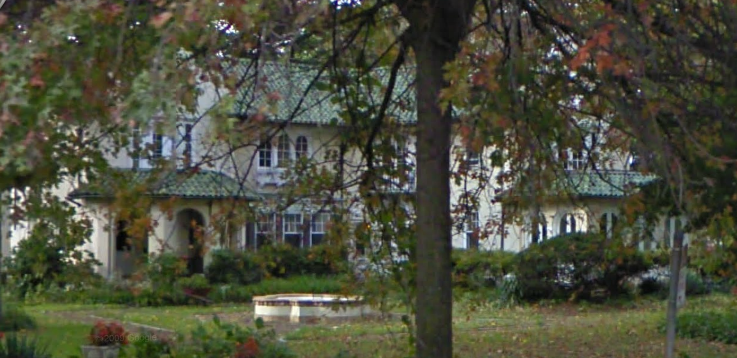
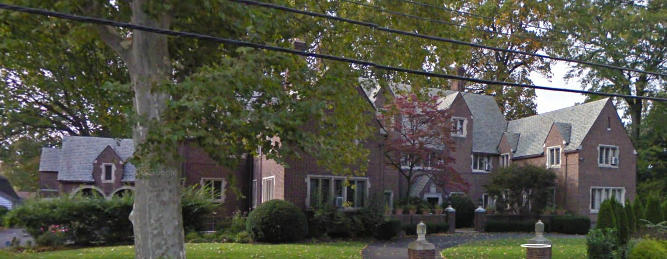
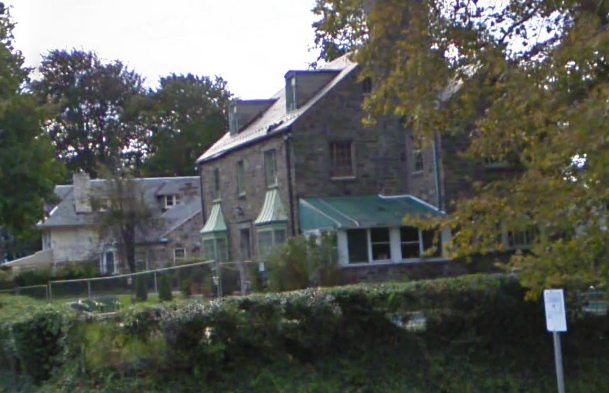
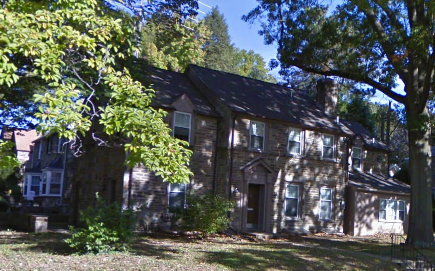
But what about habitable space? Landscape Urbanism would, I think, hold Radburn, NJ, up as the exemplar, the community to be emulated.
 |
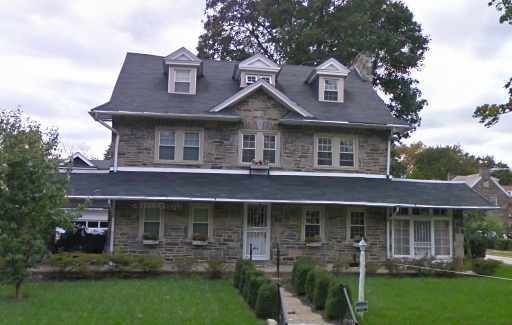
| Radburn, NJ. Credit: The Urbanerds |
Radburn is actually not Landscape Urbanist at all but was rather built under the theory and ideals of the Garden City. The Garden City ideal actually comes from the late Victorian period, and stressed
escape from the dingy, filthy, dark, polluted cities of the Industrial Age. Garden Cities were, above all else, self-sufficient, and was the first major example of urban planning executed on sociological principles rather than the aesthetic ones which had defined Baroque and City Beautiful planning. Radburn, as a Garden City, was designed and executed such that the primary entrances opened into a series of pedestrian malls or pseudo-parks, while services (of the automotive kind) were located at the
back of the houses--along the street. Since the yard space, become amentized, was later privatized, Radburn is a unique historical look at how the postwar suburb developed...every suburb, somewhere in its heart, wants to
look like Radburn, but without the uniquely strong and careful planning that went into it, no suburb can ever
be Radburn**.
Just the same with Landscape Urbanism. Waldheim denies that he's defending the suburbs, but if one looks at their loftiest living-space ideals, and the history of those ideals, there can be no doubt that a Landscape Urbanist mentality will lead us right back into traditional suburbia. Waldheim may be a new Ebenezer Howard, and James Corner Frederick Law Olmsted, but it was the catch-22 Mumford noted: without careful planning, landscape planning devolves into something else, something much worse.
This isn't to say that Radburn is a bad sort of place--but with the resources needed to get Radburn
right, a certain rarity value is needed--and with that rarity value, expense. The lowest common denominator of the Levittowns and their progeny is unsustainable. A
handful of Radburns can be--but that's the key--a
handful. There are not enough resources available in this country, or even on this earth, to sustainably house the United States' population in a way befitting Landscape Urbanism's Radburn ambitions; to do it quickly would involve a coarsening of design that would be indistinguishable from Levittown and benefit no one.
__________
* Pretty as Central Park, Prospect Park, the Emerald Necklace, and other assorted Olmsted parks are, they are extremely unsophisticated in light of today's landscape design techniques. They discount the natural "lay of the land" in their settings and are instead highly engineered green sculptures. Indeed, the weaving of ecology in has been one of landscape design's most stunning successes over the past century.
** Also, Radburn is a rail-oriented design. The town focus is the train station, and the main retail strip is centered on it.